Blog ·
Extend Tire Life: Smart Handling From Installation to Road
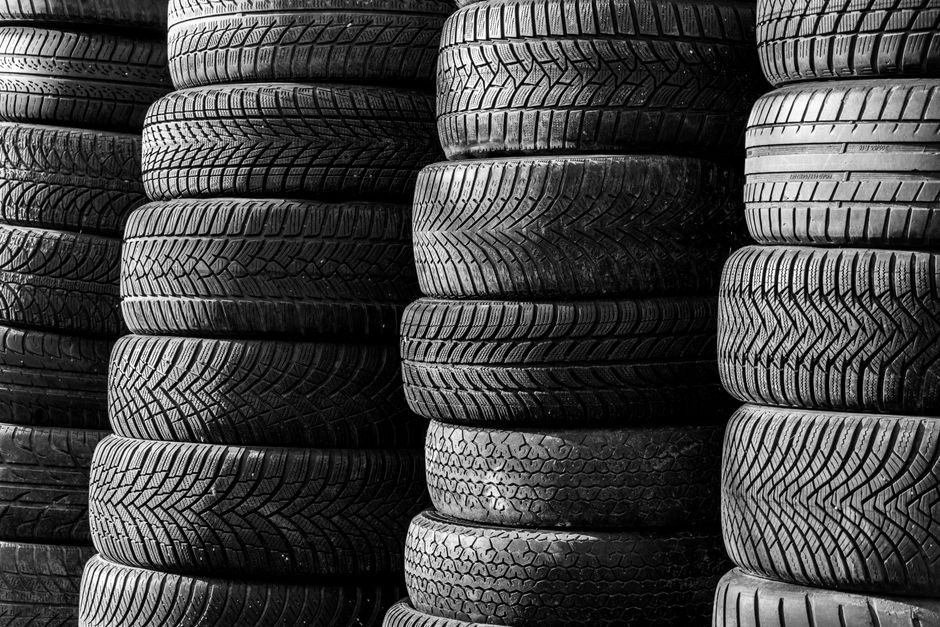
A tire's lifespan doesn't begin when it rolls out of your shop—it begins when you install it. How a tire is mounted, balanced, and maintained determines whether it lasts 25,000 miles or 50,000 miles. Every decision you make during installation affects how long that tire will serve your customer, and smart handling practices reduce long-term costs for both of you.
Installation Matters More Than Most Realize
Improper installation is one of the fastest ways to shorten a tire's lifespan. If a tire isn't seated correctly on the wheel, uneven wear develops quickly. Incorrect torque specifications cause stress on the tire structure. Skipped balancing leads to vibration and premature wear. These problems compound over months, turning a tire that should last years into one that needs replacement in months.
The Impact of Proper Balancing
Unbalanced tires don't just feel rough—they wear faster and cause damage to suspension components. Wheel balancing distributes weight evenly, so the tire wears uniformly. This single step extends tire life by months or even years, and it's one of the most cost-effective maintenance practices you can perform. Every tire should be balanced as part of standard installation.
Pressure and Its Long-Term Effects
Underinflated tires generate excess heat and wear on the outer edges. Overinflated tires wear in the center and provide a rougher ride. Correct pressure must be set and checked regularly. Seasonal temperature changes affect pressure, so what's correct in summer may be low in winter. A tire that's checked and adjusted monthly will last significantly longer than one that's set and forgotten.
Handling Best Practices
- Clean wheels and valves: Debris causes imbalance and corrosion
- Protect during removal: Don't scrape or damage tires while removing them
- Check for defects: Tires with cuts, bulges, or damage shouldn't be installed
- Use proper mounting techniques: Avoid pinching or forcing tires onto rims
- Verify alignment: Misaligned vehicles cause severe, rapid tire wear
Post-Installation Communication
Educate customers about maintenance after installation. Explain tire rotation schedules, pressure checks, and alignment inspections. A customer who understands these practices will take better care of their tires and get more life from them. This builds loyalty and reduces premature replacements.
The Economics of Smart Handling
When customers' tires last longer, they're more satisfied with your work. They return for future installations and recommend your service to others. Quality installation reduces warranty claims and complaints. The small extra care during installation pays dividends in reputation and repeat business.
Tire longevity is built during installation, not after. Every best practice—proper seating, balancing, torque specifications, and inflation—combines to extend tire life. This focus on quality differentiates your operation and keeps customers coming back.