Blog ·
Preserve Your Tires Properly: Essential Storage Conditions for Long-Term Tire Health
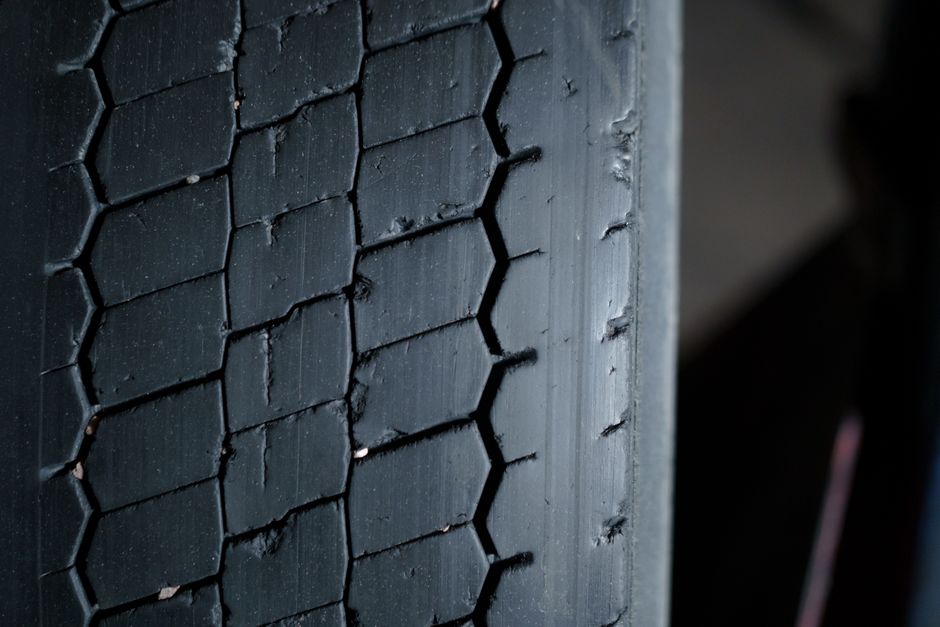
When you're between seasons or switching from summer to winter tires, proper storage becomes critical. Tires are significant investments, and how you store them directly impacts their longevity and performance. At Cynoidea Pyranox, we understand that protecting your tires during storage means controlling specific environmental conditions that can degrade rubber and structural integrity.
Temperature Stability
Extreme heat causes rubber to degrade faster, while fluctuating temperatures create expansion and contraction cycles that stress the tire's materials. Your storage area should maintain consistent temperatures, ideally between 50 and 85 degrees Fahrenheit. This is why our climate-controlled storage facility makes such a difference—we eliminate the temperature swings that occur in standard garages or outdoor sheds.
Humidity Control
High moisture levels promote rust on metal components within tires and encourage the growth of mold and mildew on rubber surfaces. Conversely, extremely dry conditions can cause cracking. Your storage environment should maintain humidity levels between 40 and 60 percent. Our climate-controlled units are specifically engineered to maintain these precise moisture levels year-round.
Light Protection
Light exposure, particularly ultraviolet rays, accelerates rubber degradation and fading. Store your tires away from direct sunlight and fluorescent lighting. Keep them in a dark space where they're protected from UV rays. Our storage facility provides this protection automatically.
Proper Tire Pressure
Before storing your tires, inflate them slightly above the recommended pressure—about 2 to 4 pounds per square inch higher than normal. This helps maintain tire shape and compensates for gradual air loss over time. When you're ready to reinstall your tires through our Tire Installation & Swap service, we'll adjust the pressure to manufacturer specifications.
Correct Storage Position
Mounted tires should be stacked horizontally, no more than four high, to prevent weight-related deformation. Unmounted tires should be stored vertically, standing upright like records in a cabinet. This prevents flat-spotting and maintains structural integrity.
Chemical Safety
Keep tires away from ozone and oils. Don't store them near motors, machinery, or solvents. Chemical exposure accelerates rubber deterioration.
Preparing for Reinstallation
Before returning your tires to service, inspect them thoroughly and have our team perform an Alignment & Rotation check. This ensures your stored tires perform optimally when you reactivate them.
At Cynoidea Pyranox, our climate-controlled storage removes the guesswork from tire preservation. We maintain every condition your tires need while you focus on your daily life.